


Last week I shared one part of a “Bestiary of Monsters” I have been working on with my friend, Alan Barnes. We are reflecting on well-known monsters, why they frighten us, and what reflecting upon them can teach us ethically, theologically, and all about the human condition. Here is a bit of reflection upong ghosts. In it we think about the headless horseman, and several other pop-culture ghosts of recent memory!
Ghosts-Background
Ghosts are pervasive in culture, particularly in the form of stories about the spirits of the dead. Their nature, purpose, and function vary significantly depending on the cultural context. In many Western societies, ghosts are often seen as spirits of the deceased who linger due to unresolved issues or unfinished business. They are commonly depicted in literature and films as haunting specific locations. In cultures such as those in China and Japan, ancestral spirits are revered, and beliefs about ghosts encompass both benevolent and malevolent entities. The concept of “hungry ghosts” in Chinese tradition refers to spirits suffering from insatiable desires resulting from improper burial rites. In some African and Native American cultures, ghosts serve as guardians or guides, playing a crucial role in the community of the living.
Ghost stories are so ubiquitous that the term “ghost story” serves as a major category encompassing numerous spooky tales, whether told around a campfire or during late-night sleepovers. These stories often address existential questions: What happens after we die? Is this life all that there is? Themes of unfinished business, regret, and the inability to move on are prevalent in many ghost narratives. This is why a wealth of ghost stories is traditionally associated with Advent and Christmastime. While this time of year is not typically seen as spooky in the 21st century, it was viewed as such in much of the medieval world, and even in modern times, as exemplified by A Christmas Carol.
During the darker months of the year, people have historically contemplated death, the spiritual world, and the realm of spirits. In Dickens’ A Christmas Carol, the ghost story serves as a lesson from “the other side.” Scrooge is shown what could happen if he does not change his ways; the ghosts haunt him with visions of his past, present, and future—delivering a moral lesson through ghostly benevolence. However, not all ghosts or ghost stories are so well-intended.
Reflecting on Lessons from the Ghost
Perhaps the greatest fear elicited by ghosts is the fear surrounding death, the ultimate unknown. The mysteries surrounding life after death and the finality of death create space for storytelling and speculation. This is why an NPR radio show/podcast such as Spooked can be so popular that it airs during hours when children might hear it.
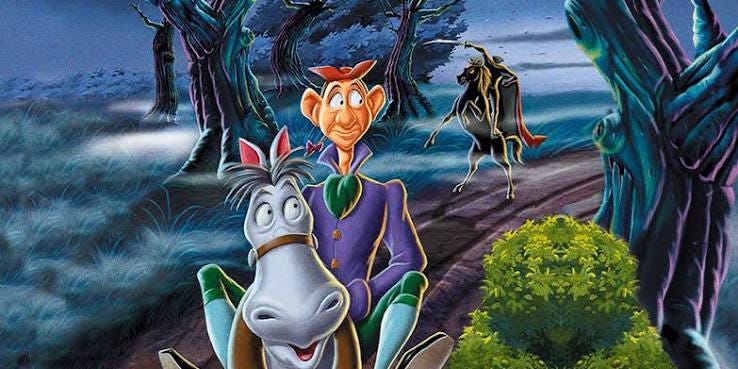
One of the greatest ghost stories in the American canon is The Legend of Sleepy Hollow. It tells the tale of Ichabod Crane, a superstitious itinerant teacher, and his witching hour encounter with the Headless Horseman. While the story suggests that the ghost was merely a prank by Brom Bones, Ichabod’s romantic rival, the encounter still frightens the schoolmaster away from the village, leaving Katrina Van Tassel to Brom Bones himself. Washington Irving’s masterpiece weaves superstition, local lore, and ideas about the supernatural together to create an enduring tale that has been remade countless times.
Aside from the threat of a headless horseman hunting for a head, what is so terrifying about death in this story—or in any ghost story? The questions surrounding death are numerous, filling the void with speculation. Perhaps we struggle to imagine that our lives could simply end, that our selves could become extinct. If we persist, then how will we exist? Will we be doomed to repeat one task forever? Paranormal psychologists refer to this type of haunting as “Residual Hauntings,” where people report seeing a ghost occupying the same place repeatedly, performing the same activity day after day. Alternatively, the afterlife could be a mere half-existence, lacking vitality and fulfillment. For some, non-existence might not be troubling, but for others, it is indeed a terrifying idea.
The Headless Horseman, if that old specter is real and not just Brom Bones in disguise, seems to have unfinished business. This illustrates a second reason why ghost stories evoke fear: they conjure feelings of regret. Regret is tied to loss, missed opportunities, and mistakes. The hauntings of Ebenezer Scrooge in Dickens’ tale stir feelings of regret about lost innocence and time poorly spent in self-serving miserliness. The Headless Horseman, once a Hessian soldier, embodies a profound sense of loss. Locals tell his story to warn each other of his ongoing search to find a suitable replacement—he will not miss an opportunity to regain his head.
What can we learn from these ghostly fears? First, the mystery of death is of existential significance for human speculation. By nature, it is a true mystery, often forming the basis of traditional religion as well as folklore. To address the anxieties that arise from such mysteries, we can either seek relief through stories of hope or find a way to psychologically accept death as an inevitable fate, living in spite of it.
Of all the faith traditions significant to Western culture, Christianity offers some of the most robust teachings of hope concerning death and life after death. A popular yet often misunderstood interpretation of the faith suggests that eternal reward (heaven) or punishment (hell) awaits us all on the other side of the grave. Setting aside themes of grace and judgment, is this truly the best possible outcome from a Christian perspective? The archetype of Christianity is Jesus Christ, and how did things go for him after he suffered state-sponsored execution? Christ was resurrected from the grave. If St. Paul is an expert in Christian faith, his correspondence with the Corinthian church suggests that the fate of those found with Christ in life will be the same as Christ’s—resurrected, embodied, restored life. In a world fearful of the grave, which might offer a lesser existence, a disembodied and regretful life, or even worse, no life at all, the Christian hope is for a resurrected life that is restored and glorified to a state untainted by sin or evil. This means lives—and missing heads—restored without the blight of war, the need for mercenaries, or the nasty pranks of romantic rivals.
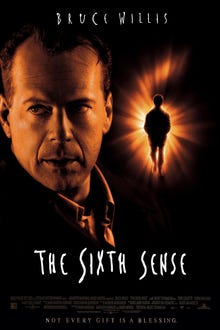
However, the more nuanced fear that ghosts elicit is associated with regret. The phrase “the ghosts from the past” describes memories, experiences, and emotional vulnerabilities that haunt and loom over a person. This concept comes from our understanding of ghosts as entities trapped in moments of their lives until they can resolve their unfinished business, much like the character Sam Wheat in Ghost, who needs to address the injustices obstructing his deep love for his partner, or the spirit of Samantha Kozac, who requires the house’s inhabitants to find her murdered body in Stir of Echoes. While these cases deal with injustice, sometimes it is the regret of the ghost itself that the story seeks to address. This is the reason Dr. Malcolm Crowe in M. Night Shyamalan’s The Sixth Sense is unable to move on. He haunts the world as a spirit on a psychological quest fueled by guilt. His regret over failing a former patient manifests as a need to “fix” the situation by helping another child, a major protagonist in the story.
The fear we face over themes of regret makes ghost stories a form of memento mori. Memento mori is a Latin phrase that translates to “remember that you must die.” It serves as a reminder of the inevitability of death and the transient nature of life. This concept encourages individuals to reflect on their mortality, prompting them to consider the value of their actions and the legacy they leave behind. Memento mori has been a prevalent theme in art, literature, and philosophy throughout history, particularly during the Middle Ages and Renaissance. It often manifests as a symbolic representation of death, such as skulls, hourglasses, wilting flowers, or decaying objects, which serve as reminders of mortality. As an intentional practice, memento mori has been utilized by ancient and contemporary Stoics, Christians, and even overlaps with Buddhist philosophy and practice. Essentially, by reflecting on ghostly regrets, audiences can confront their choices about living their own lives, ensuring they do not end them in regret or with unfinished business.
This reflection on regret underscores a profound psychological and spiritual need for people to learn to be kind to themselves. Forgiveness is not merely a deep personal task we must extend to those who have wronged us; it is also one we need to learn to offer ourselves. Lives filled with regret are often lives stuck from pursuing what is good, beautiful, and true. Ghost stories, especially modern ones, are adept at illuminating such needs.
As has been widely noted, cultures create or utilize monsters to express their contemporary concerns and anxieties. This applies to ghost stories as well. One animating concern of today’s culture is the ambivalence we feel about embodied existence. It is not uncommon to hear technologists proclaim that we are on the cusp of a transhumanist moment in our species. A fundamental dream of the transhumanist movement is the ability to download our personalities, memories, and interior lives into a digital format that may persist beyond the death of our bodies, allowing us to live indefinitely. The future of humanity is intimately tied to machines of our own making, which reminds us of ghostly figures. In both cases, we encounter disembodied consciousness that persists beyond, and independently of, a physical body bound to its basic needs and tendency toward decay.
Can one have a memory without a body? Does the body help individuals remember? Machines may have navigation uploaded into their systems, but do they understand the feeling of walking east toward the rising sun with a gentle breeze at their backs? Can disembodied algorithms wonder? All these questions mirror those we can ask about disembodied spirits, suggesting that ghost stories might help us navigate the technological shifts our society is experiencing.
Ghosts can terrify us, and when they do, we can recall the old Scottish prayer:
From ghoulies and ghosties,
And long-legged beasties,
And things that go ‘bump’ in the night,
Good Lord, deliver us!
Perhaps such a prayer will provide divine assistance against all that haunts you. Or perhaps you will be charmed by its arcane language and smile at its whimsy—maybe that will alleviate what haunts you.
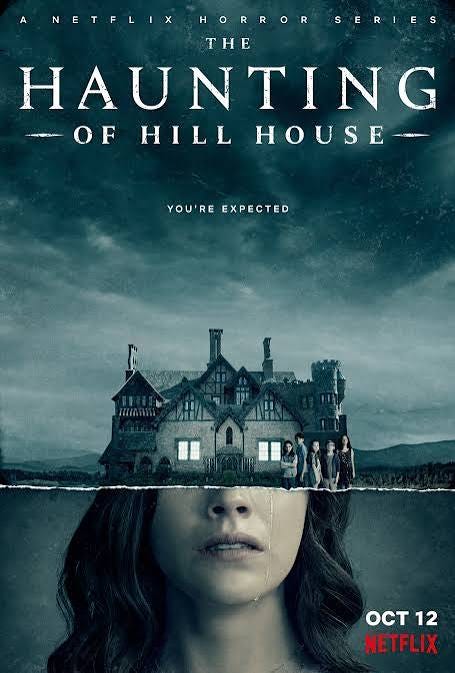
However, do not forget that ghosts can terrify us by revealing many things that already trouble and torment our minds. This is how two of the best new ghost stories—both televised series—function: The Haunting of Hill House and The Haunting of Bly Manor. In both series, ghosts and hauntings serve as powerful metaphors for the characters’ unresolved grief and emotional turmoil, illuminating the complex interplay between love and loss. In Hill House, the specters manifest the trauma and pain of past experiences, revealing how deeply ingrained fears and unaddressed emotional wounds can haunt individuals and families long after the initial events have passed. The house itself becomes a character, embodying the weight of loss and the memories that refuse to fade, forcing the characters to confront their collective pain. Conversely, Bly Manor approaches the theme of haunting with a more poignant lens, where ghosts symbolize the enduring nature of love and the sacrifices made for it. The spirits represent unresolved emotions and the burdens of memory, illustrating how love can transcend death while simultaneously highlighting the sorrow that accompanies such connections. Both stories poignantly explore how the presence of ghosts compels characters to face their fears and confront the emotional scars left by loss, ultimately leading to a deeper understanding of their relationships and a path toward healing.
For those seeking healing and freedom from their mistakes, bad deeds, and sins of omission, here is a well-worn prayer for you:
Most merciful God, we confess that we have sinned against you in thought, word, and deed, by what we have done, and by what we have left undone. We have not loved you with our whole heart; we have not loved our neighbors as ourselves. We are truly sorry and we humbly repent. For the sake of your Son Jesus Christ, have mercy on us and forgive us; that we may delight in your will, and walk in your ways, to the glory of your Name. Amen.